




Dissecting the Paradigm Shift in Corporate Gifts from “Transaction” to “Transformation”
Chapter 1: Ancient Times – The Age of Tangible (and Predictable) Gifts
In the world of organizational strategy, the category of “gifting” is often viewed as a marginal item within public relations or human resources budgets—a seasonal task to be checked off. However, this perspective overlooks an immense strategic opportunity.
Corporate gifting, in its evolved form, is not a consumable commodity; it is a powerful instrument for corporate diplomacy, relationship engineering, and the building of emotional capital.
The history of this tool narrates a story of profound transformation: the transition from tangible, forgettable products to intangible experiences, and ultimately, to personal, lasting stories.
In the world of organizational strategy, the category of “gifting” is often viewed as a marginal item within public relations or human resources budgets—a seasonal task to be checked off. However, this perspective overlooks an immense strategic opportunity.
Corporate gifting, in its evolved form, is not a consumable commodity; it is a powerful instrument for corporate diplomacy, relationship engineering, and the building of emotional capital.
The history of this tool narrates a story of profound transformation: the transition from tangible, forgettable products to intangible experiences, and ultimately, to personal, lasting stories.
Until very recently, the world of corporate gifting was dominated by objects. Leather diaries with embossed gold logos, branded pens, desktop sets, and gourmet baskets constituted the endless army of gifts sent out with the aim of instilling a sense of appreciation. This approach was built upon a simple psychological principle: Reciprocity. The organization would give a gift, obligating the recipient to feel indebted to reciprocate through increased loyalty or collaboration.
However, in a world rapidly saturated with information and advertisements, this strategy began to lose its effectiveness. These material gifts lacked two vital elements: differentiation and personal connection. When everyone gives a diary, your gift becomes invisible. When the gift has no connection to the recipient’s actual taste or needs, the message “You are special to us” is reduced to “You are one of hundreds on our list.” The result was a polite but soulless transaction that rarely evolved into a lasting memory.

Chapter Two: The Global Awakening – The Rise of Experience and Personalization
The turning point of this transformation was marked by a generational shift in the workforce and the emergence of the ‘Experience Economy.’ Leading companies worldwide realized that in a crowded marketplace, the only way to genuinely capture attention was by creating a unique experience. This new paradigm was founded upon several key pillars:
Prioritizing Experience Over Ownership: Newer generations of the workforce valued experiences (such as travel, education, and special events) far more than the acquisition of material possessions. Gifting a professional cooking class or a ticket to a sporting event had a more profound impact than giving a luxury item.
Return on Emotional Investment (REI): Executives found that investing in the creation of a positive memory yielded a much higher return than the cost of a physical product. This ‘Return on Emotional Investment’ manifested itself as increased employee motivation, deeper customer loyalty, and positive word-of-mouth promotion.
Data-Driven Personalization: Through the use of data and a better understanding of individuals, gift-giving shifted towards deep personalization. The goal was no longer to give a gift to a ‘manager’ but to provide one that aligned precisely with the interests of that specific manager.
This approach successfully transformed gifting from a mere expenditure item into a strategic investment in human relationships.
Chapter Three: Iran’s Crossroads – A Passing Bazaar
The Evolution of Corporate Gifting: From Transaction to Transformation in the Iranian Market
The Iranian market is fundamentally embedded in this transformation. The era of clichéd diaries and generic pens is waning. As a recent DMboard report indicates, 65% of Iranian employees prefer to receive “various gift vouchers.” This statistic represents a crucial turning point. It demonstrates that Iran’s professional community has moved beyond imposed, impractical gifts and now recognizes “the power of choice” as a core value.
However, this is merely a transitional phase. The “Gift Card Economy,” despite all its advantages, is not a flawless solution. While this approach grants the individual choice, it remains an impersonal and transactional gesture. By issuing a gift card, the organization effectively “outsources” the process of appreciation. This gift fails to create a unique story or memory tied back to the organizational brand. In a market like Iran, which faces a significant “trust deficit,” establishing deep, personal relationships is vital. A gift card, while useful, is not a powerful tool for building this level of trust.
If the first step of this evolution was the shift from “Product” to “Choice,” the final and most sophisticated step is the move from “Choice” to “Shared Narrative.” This is the most advanced and impactful form of corporate appreciation: one where the gift creates a participatory process and a lasting memory.
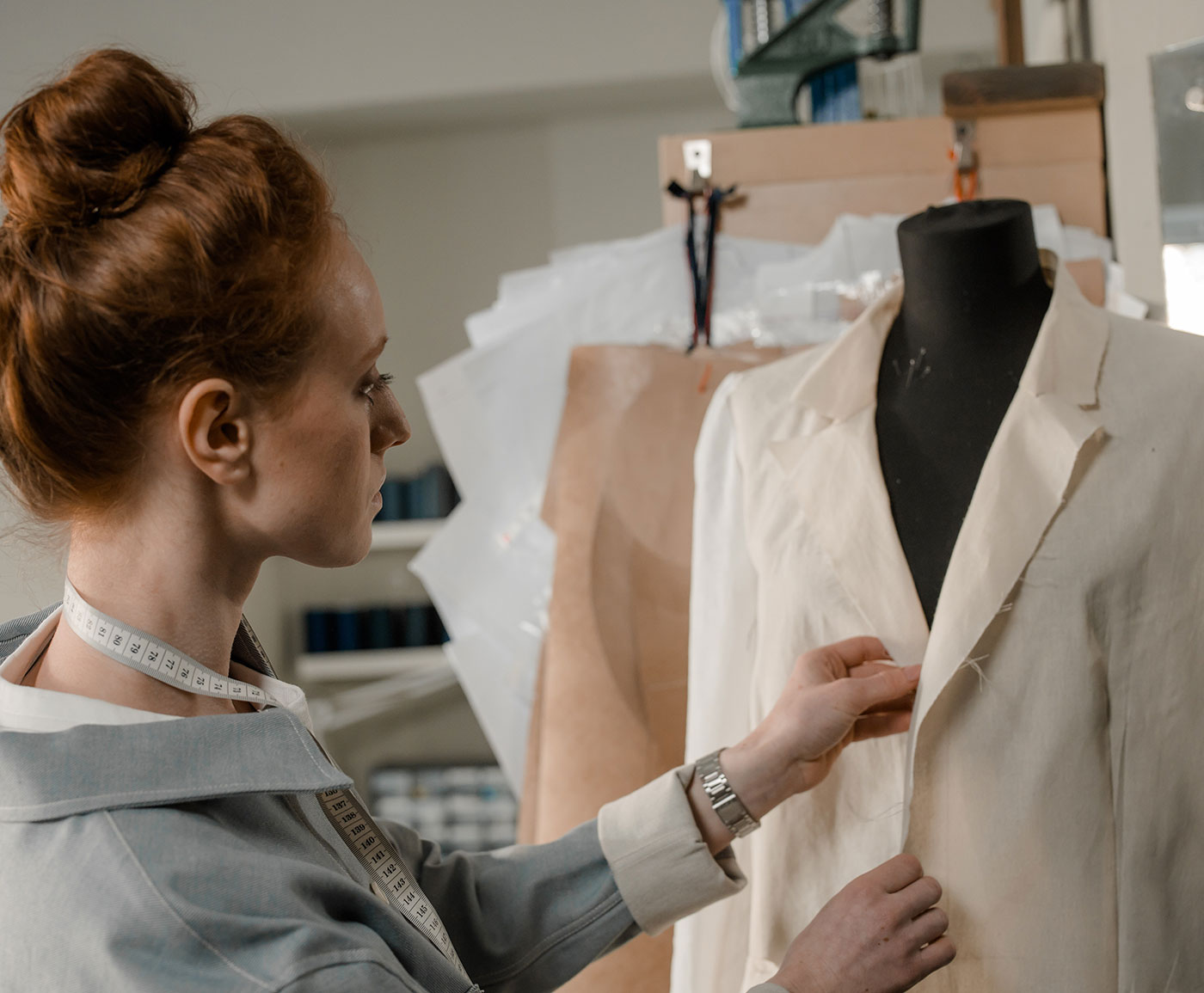
This is precisely the philosophy at the heart of the DressOne Personal Tailoring Package. This package is not a final product; it is the beginning of a story.
Act One: Unveiling and Discovery
The journey begins with a physical, magnificent box. This is an intelligent move that converts an intangible service into an exciting, palpable “product.” The moment of unboxing—encountering the artistic arrangement of fabric swatches, the exclusive fragrance, and the leather gifts—is in itself a memorable experience.
Act Two: Consultation and Co-Creation
Unlike a gift card, which leaves the individual alone in a store, this experience brings a specialist to their personal space (office or home). This session is a deep conversation designed to uncover their taste and needs. The individual participates in designing every detail of their garment, from the fabric selection to the buttons personalized with their name. They are no longer a mere consumer; they become a co-creator.
Act Three: Transformation and Legacy
The final result is not just a well-tailored suit. It is a wearable legacy—a physical story of the attention, respect, and value the organization holds for that individual. This is a garment that, years later, will still recount the story of that special day and that unique experience.
This approach completely redefines the concept of gifting. It is no longer a transaction, but a “Transformation”—one where corporate appreciation becomes a personal, lasting signature worn by the organization’s most important people.
Would you like me to focus on a specific section of this text, or perhaps suggest a title for the full article?


Create Your Style
Conclusion: The New Currency in Organizational Relationships
The evolutionary path of organizational gifting has been a journey from the objective to the subjective: from the product we hold in our hands, to the choice we make, to the experience we feel, and finally, to the story we tell.
Leading organizations in Iran will soon discover that to win the competition for attracting and retaining talent, and to build sustainable strategic relationships, they must turn to a currency beyond mere money. The new currency in this economy is “Shared Memory” and “Common Story.”
The future belongs to those organizations that understand the art of appreciation and know how to, through an intelligent choice, engrave their name not on a physical planner or product, but in the hearts and life stories of their most important stakeholders.
Etiam ommodo semper pharetra ex. Vestibulum sem dolor, ullamcorper
Aenean consequat at etiam commodo semper nunc ornare mollis. Quisqe
Commodo semper pharetra ex. Vestibulum sem dolor, ullamcorper

Leave a Reply