




Dress is the unspoken language of credibility.” This phrase echoed in our ears for years: in board meetings, behind the scenes at events, and during business encounters where major decisions were made. We, the founders of DressOne One, have spent years alongside executives, entrepreneurs, and leadership teams—in environments where a simple detail in appearance can shift the weight of a statement, the outcome of a negotiation, or the image of a brand.
However, every time “organizational attire” or “corporate gifting” was brought up, a frustrating gap stood before us: the products manufactured and offered in the Iranian market did not necessarily align with the true needs of organizations and the professional lifestyle of executives. Many garments were uniform and cliché; the gifts, disposable and ineffective. They neither accurately conveyed the organizational identity nor honored the dignity and time of the leaders. We took this to mean that, “In Iran, the professional apparel market for organizations is, more often than not, full of product but devoid of solutions.” This was the point where we decided to forge a different path.
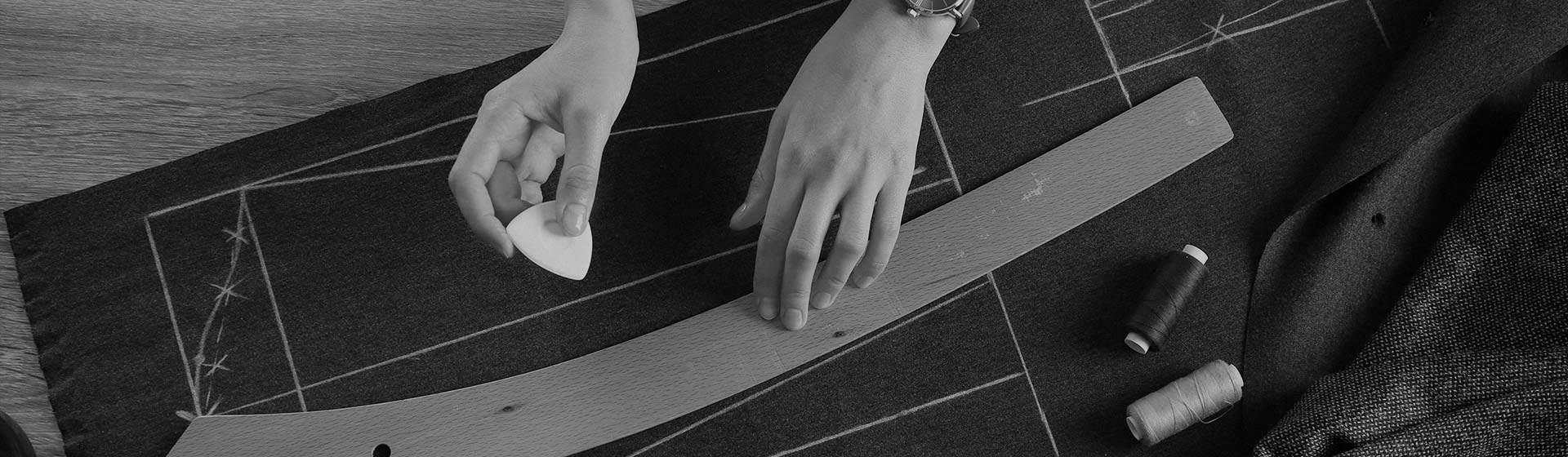
DressOne began with a question: How can the “organizational prestige” and the “individual identity of leaders” be flawlessly worn, simultaneously? The answer was not a “product”; it was an adaptable service that harmonizes itself with the context of each organization and the characteristics of every individual—from tailoring standards and fabric selection to the experience of booking, measurement, delivery, and use.
Instead of a “clothing sales” approach, we looked at the problem from the perspective of experience and credibility. We drew inspiration from the precision of classic tailoring houses, the experience of B2B service-oriented brands, and the trend of “Quiet Luxury,” which showcases quality and fit instead of displaying a logo. We then combined all of this with our understanding of Iran’s business culture, its constraints, and its opportunities.
