




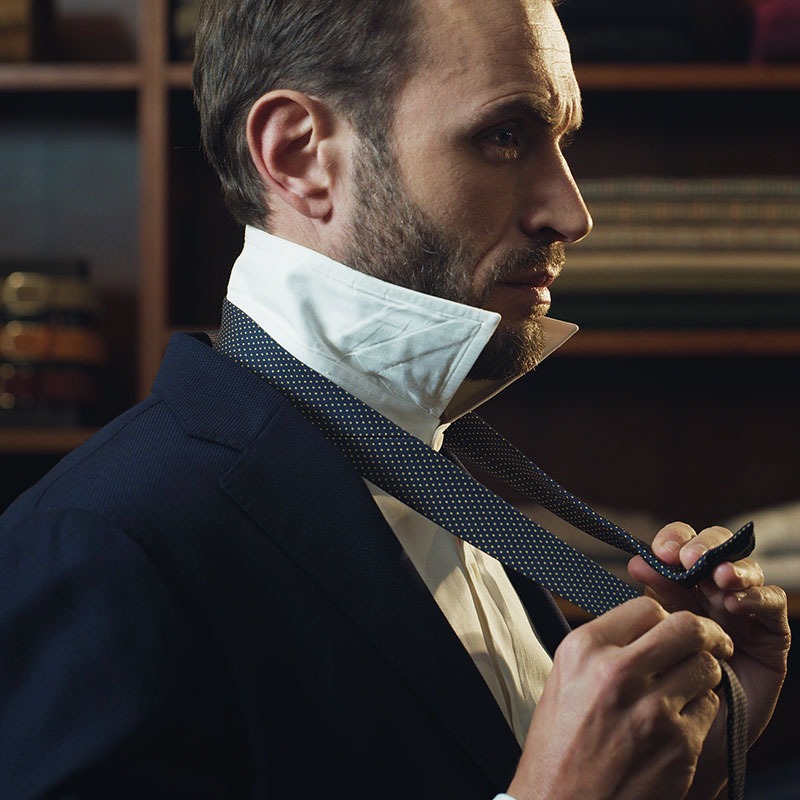
Managerial Armor: The Psychology of “Powerful Covering” and Its Impact on Leadership Performance
Imagine you are about to enter the most important meeting of the quarter—a critical negotiation that could determine the fate of a major contract. You have analyzed all the data, crafted your strategy, and mastered every angle of the discussion. Yet the moment you step into the room, before a single word is spoken, another negotiation quietly begins. This one is about your credibility, authority, and competence—and your attire is its primary tool.
For decades, the concept of power dressing has been recognized as a tool for projecting authority. Modern science, however, reveals a deeper truth: the clothes we wear do more than shape our appearance—they also influence our thought processes and cognitive performance.
This phenomenon, known as Enclothed Cognition, confirms that our attire is a powerful cognitive tool, operating through two key mechanisms: the symbolic meaning of the clothing and the physical experience of wearing it. The critical question for forward-thinking organizations is: if a leader’s attire can directly influence their confidence, creativity, and negotiating power, shouldn’t it be regarded as a strategic tool for empowering leaders?
This article delves into this profound connection, demonstrating how a well-tailored, bespoke outfit transcends mere clothing to become “executive armor”—a tool designed both for the internal battles of the mind and for external interactions in the business world.
Part One: The Internal Effect – How Clothing Shapes a Leader’s Mindset
Before a leader’s attire influences others, it first impacts the wearer. This internal effect forms the foundation for the performance that manifests externally.
Enhancing Abstract Thinking and Decision-Making:
Scientific studies have shown that wearing more formal clothing increases an individual’s ability to think abstractly and strategically. In one experiment, participants wearing a white lab coat—symbolizing precision and science—performed better on cognitive tests requiring focus and attention to detail. Similarly, a well-tailored, structured suit subconsciously primes the mind for strategic thinking, discipline, and seriousness. This subtle shift enables a leader to see the bigger picture in complex situations and make decisive choices, rather than getting lost in the minutiae of a crisis.
Boosting Confidence and Role Embodiment:
Clothing is part of our professional identity. Just as an actor immerses themselves in a character through costume, a leader steps more fully into their role when wearing attire that reflects their status and authority. A bespoke garment, perfectly tailored to the individual, eliminates minor imperfections found in off-the-rack clothing and conveys a sense of completeness and control. This positive feeling translates directly into confidence, helping the leader communicate with poise, assert their ideas, and maintain composure under pressure.
Part Two: The External Effect – Engineering Perception and Building Credibility
The influence of attire on others is immediate and often subconscious. In business, where perception shapes reality, a leader’s appearance can determine the outcome of a negotiation or the success of a partnership.
Creating the “Halo Effect” and Conveying Competence:
A polished, professional appearance generates a halo effect. When someone presents themselves in precise, high-quality attire, others subconsciously attribute additional positive traits—intelligence, competence, responsibility, and reliability—to them. In an introductory meeting or negotiation, this halo effect provides a strategic advantage: before the leader speaks, their appearance has already begun building trust and preparing the counterpart to listen and engage.
Setting the Tone and Power Dynamics in Interactions:
Attire complements body language and sets the tone for interactions. In a sensitive negotiation, a team that presents itself in powerful, coordinated attire sends an implicit message: “We are serious, prepared, and united.” This subtly shifts the power dynamics in the room in their favor—not as intimidation, but as a demonstration of professionalism and respect for the meeting and its participants.
“In business, perception is everything. Your leaders’ ‘armor’ tells the story of your brand, stability, and commitment to quality before a single word is spoken, laying the foundation for trust.”
Conclusion: Equipping Leaders for Today’s Battles
The concept of executive armor is not poetic metaphor—it is a psychological and strategic reality. Investing in the leadership team’s attire is an investment in their cognitive tools. It enables them to think with greater confidence, act with more authority, and exert a deeper impact on their environment.
By outfitting leaders in clothing tailored not only to their physique but also to their identity and role, organizations provide them with a tool that prepares them every morning to face challenges with readiness and assurance. This is a direct investment in performance, influence, and ultimately, organizational success.
Beyond Clothing: How a Bespoke Experience Secures Key Leaders’ Loyalty
In today’s competitive business environment, organizations increasingly recognize that their most valuable asset is talent. The “war for talent” is undeniable, and retaining key leaders—those whose knowledge, experience, and vision drive the organization—has become a strategic priority. Financial incentives such as bonuses, equity, and perks are widely used to foster loyalty, yet they often remain transactional and fail to create a deep emotional connection.
The Key Question: In an era where top leaders seek meaning, respect, and belonging, how can organizations demonstrate appreciation in a way that truly resonates and secures loyalty? The answer lies in shifting from predictable rewards to deeply personal, unique experiences.
The Psychology of Appreciation: “Being Valued” vs. “Being Seen”
To understand the power of a bespoke experience, one must grasp senior leaders’ psychology of appreciation. For executives who have achieved professional and financial success, a reward’s value is not merely monetary—they primarily seek recognition and respect for their individuality.
A generic cash bonus or expensive but impersonal gift communicates: “You are valuable to us.”
A deeply personalized experience, however, delivers a far more powerful message: “We see you.” It signals that the organization has invested time to understand the leader’s preferences, needs, and lifestyle, recognizing them as a unique individual rather than merely a role within the company. This subtle distinction is the starting point for building genuine, lasting loyalty.
Case Study: DressOne – Engineering Loyalty in Practice
The DressOne bespoke experience is a prime example of loyalty engineering. The process is designed to convey respect, exclusivity, and value at every step, creating a strong emotional connection between the leader and the organization.
Step 1: Invitation to an Experience, Not a Gift
Unlike traditional gifts delivered passively, the DressOne package acts as an invitation to an exclusive process. This transforms the leader from a passive recipient into an active participant, giving them a sense of control and agency.
Step 2: Respecting the Most Valuable Asset
A personal stylist visiting the leader at their home or office conveys the powerful, nonverbal message: “Your time is so valuable that we have designed the entire process around your convenience and comfort.” In a world of time-strapped executives, this level of service demonstrates utmost respect and understanding.
Step 3: From Uniform to Personal Signature
Through consultation and selection of every detail—from fabric and collar style to engraved buttons—the leader co-creates their organizational signature. This collaborative process fosters deep ownership and attachment. The attire is no longer a uniform imposed by the organization; it tells the story of their taste and professional identity, with the organization merely providing the platform for its creation.
Step 4: Sustained Commitment
The relationship doesn’t end at delivery. Follow-up services, such as fit guarantees and future alterations, communicate that organizational appreciation is ongoing, not seasonal, reinforcing the leader’s dignity and elegance over time.
The Ripple Effect: How One Leader’s Loyalty Strengthens the Entire Organization
Investing in an experience that secures a key leader’s loyalty yields returns far beyond retaining a single individual:
● Becoming a Cultural Story:
This unique experience becomes a powerful internal narrative. Employees see their leaders being recognized exceptionally, creating a symbol of a culture of respect and appreciation, enhancing pride and belonging across the organization.
● Increasing Motivation and Productivity:
A leader who feels truly valued approaches work with renewed energy and commitment. This positive energy cascades to their team, boosting productivity and overall business outcomes.
● Reducing the High Cost of Executive Turnover:
Losing a key leader is costly—not just in salary and benefits for a replacement, but also in time, recruitment resources, lost productivity, and the departure of institutional knowledge and relationships. A smart investment in an experience that secures loyalty is minimal compared to these hidden costs.

Conclusion: Loyalty Cannot Be Bought—it Must Be Built
Ultimately, the loyalty of key leaders cannot be “purchased” with hefty paychecks. True loyalty is a byproduct of feeling respected, recognized, and valued. Forward-thinking organizations must learn to elevate appreciation from a mere transaction to a transformation. A bespoke tailoring experience does precisely this: it turns a gift into a personal story, attire into a symbol of professional identity, and an act of recognition into the foundation of deep, enduring loyalty. This is a direct investment in the very heartbeat of your organization—its leaders.


Leave a Reply